Charleston Tree Protection Ordinances: What Homeowners Need to Know Before Touching a Single Branch
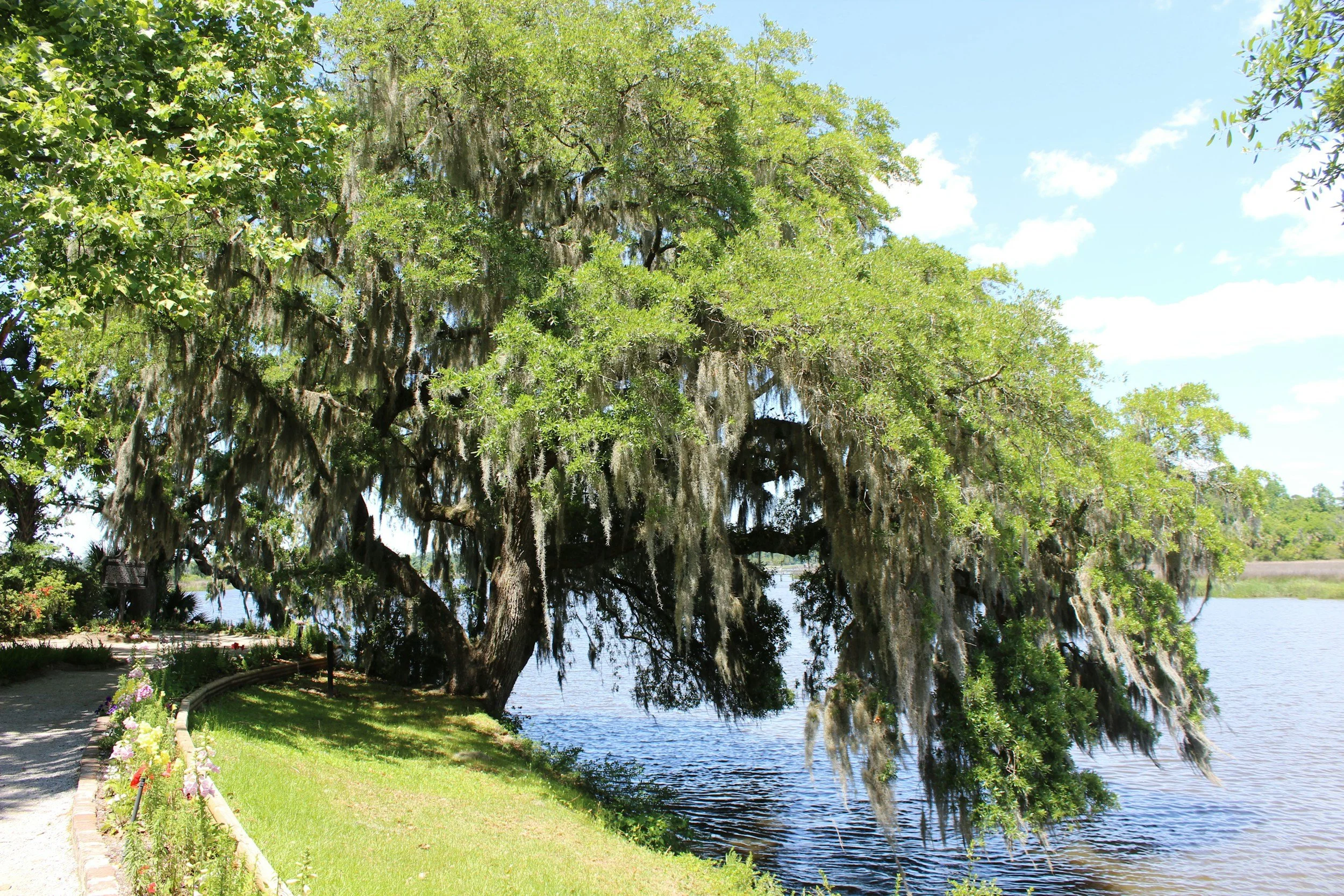
In Charleston, we take our trees seriously. Depending on which municipality you're in, removing or even aggressively pruning a tree on your own property could require a permit, an arborist report, a board hearing, or land you a fine. The rules vary significantly between the City of Charleston, Mount Pleasant, North Charleston, Summerville, and unincorporated Charleston County. If you own property here, or you're planning renovations, additions, or land clearing, you need to know what you're dealing with before a chainsaw touches bark.
Why Charleston Protects Its Trees (And Why You Should Care)
Charleston's tree canopy isn't just scenery. It's infrastructure. Live oaks lining residential streets help manage stormwater, reduce heat island effects, stabilize soil, buffer noise, and directly increase property values. Studies consistently show that mature tree canopy adds 10-15% to property values in neighborhoods that maintain it.
After Hurricane Hugo devastated the Lowcountry's tree canopy in 1989, most municipalities in the region strengthened or adopted tree protection ordinances. The goal was straightforward: prevent the clear-cutting of building sites that destroys ecological balance, accelerates erosion, and strips neighborhoods of the character that makes them worth living in.
For homeowners and property investors, this means trees aren't just landscaping decisions. They're regulated assets. And the rules are different depending on which side of a municipal line your property sits on.
The Basics: Protected Trees vs. Grand Trees
Two terms show up everywhere:
Protected Trees are defined by diameter at breast height (DBH), measured 4.5 feet above the ground. Once a tree passes a set diameter, removing it usually requires approval. That threshold ranges from 8" to 16" depending on the municipality.
Grand Trees are the big ones, and they carry the strictest protections. In most local jurisdictions a grand tree is 24" DBH or larger. Summerville is the exception: there, grand trees start at 16". In general, grand trees can only be removed if they're dead, diseased, hazardous, or causing damage that can't be fixed any other way, and even then you'll need documentation and approval.
Thresholds and species exemptions vary by municipality. That's where it gets complicated.
How the Rules Differ Across the Charleston Area
City of Charleston
Grand Trees: 24" DBH or greater, excluding pines and sweetgums
Protected Trees: 8" DBH or greater, excluding multi-stem crepe myrtles
Single-family and duplex lots: No removal permit is required for trees under 24" DBH
Commercial lots, properties with 3+ units, and residential lots of 1+ acre: Must maintain at least 15 protected trees per acre. If the property can keep that density, no permit is needed.
Critical line buffers: Tree removal is not permitted
Daniel Island: Removing any tree 8" or larger in the Visual Buffer Zone requires approval from the Board of Zoning Appeals – Site Design
Hazardous or damaged trees: Protected and grand trees that are hazardous, diseased, irreparably injured, or causing unfixable damage to a habitable building will be approved for removal. The Zoning Administrator may require a certified arborist's documentation.
Pruning: No permit is required, but the work must be done by a qualified tree service following the National Arborist Association's Pruning Standards for Shade Trees
Construction clearance around grand trees: A 24" tree requires a minimum 12' clearance from its base, plus 1' for every 3" of diameter above 24". So a 36" tree needs 16' between its base and any impervious surface. The protective zone must also be barricaded during construction.
Penalty: Removing a grand tree without a permit results in a municipal summons that could mean a fine and/or up to 30 days in jail
To request removal, submit a Tree Removal Request through the City's online form. Zoning staff inspect the tree and respond within 17 business days.
Contact: Citizen Services Desk, 50 Broad Street | 843-724-7311 | citizenservices@charleston-sc.gov
Mount Pleasant
Protected Trees (residential lots): 16" DBH or greater, with exemptions for sweetgum, callery pear, river birch, mimosa, chinaberry, Chinese tallow, camphor, white poplar, mulberry, and leyland cypress
Pines: 24" DBH or greater are protected under the updated zoning code
Historic Trees: 24" DBH or larger require an arborist report and/or a Board of Zoning Appeals variance
Buffers, critical areas, easements, and rights-of-way: Trees may be protected regardless of size or species
Application fee: $50, non-refundable
Mitigation: Approved removals may require replacement trees. A signed Tree Mitigation/Replacement Plan is required before the permit is issued, and the permit must be displayed on site during removal.
Construction projects: Tree removals tied to residential construction (new homes, additions, ADUs, pools, etc.) are reviewed through the building permit process
Pruning: You can trim dead limbs and trim the canopy following ANSI standards. The Town notes that trimming up to about 10% of the live canopy per year typically won't damage the tree. Consult a certified arborist with questions.
Penalty: Removing a protected tree without a permit requires mitigation at 200% of the removed inches and can result in a court summons and fines to both the property owner and the tree removal company
Contact: Planning, Land Use and Neighborhoods | 843-884-1229 | trees@tompsc.com
North Charleston
Protected ("significant") trees: Any healthy tree 10" DBH or greater
Permit required: Removing significant trees is prohibited before you secure a permit
Grand Trees (24"+): Removal is allowed only if the City finds there's no practical alternative site design that would keep the tree in place
Emergency exception: If a tree poses a severe or imminent threat to public safety or property, the zoning administrator can waive the requirements. Written findings explaining the threat are issued afterward.
Replacement: The zoning administrator may require replacement if the threat resulted from negligence
Who applies: The contractor hired to remove the tree applies for the permit (owners apply only if they're removing it themselves). The application must include a proposal with a detailed scope and cost, plus HOA or architectural review approval if applicable.
Fees: $30 non-refundable filing fee for removal jobs of $1,000 or less, scaling up with the cost of the job
Inspection: An inspector and/or urban forester inspects the tree before approval. Mark the tree with ribbon.
Contact: Zoning | 843-740-2581 or 843-740-2582 | Apply through the City's online Customer Portal
Town of Summerville
Summerville (which sits mostly in Dorchester County) has one of the oldest tree ordinances in the country. The first act of its first Town Council, formed in 1847, was a tree ordinance passed in early 1848, and it's still enforced today.
Protected Trees: All trees 8" DBH or greater, including dead trees, require a removal permit. Invasive species are excluded under the Town's code.
Grand Trees: 16" DBH or greater must be approved by the Tree Protection Board, a citizen board appointed by Town Council that includes a certified arborist
Fees: $10 application fee (plus $2/tree over 10 trees). Tree Protection Board review adds $25 (plus $5/tree over 10).
Mitigation: If the removal isn't caused by death, disease, or damage (not caused by the owner), replacement is required at 50% for protected trees and 100% for grand trees
Review timeline: The Town Arborist typically reviews standard requests within a couple of days to a week. The Tree Protection Board meets monthly.
Construction: Removals tied to new construction are submitted with the building permit and reviewed during site plan review
Denials: Can be appealed to the full Tree Protection Board, and Board decisions can be appealed to South Carolina courts. You can also reapply after at least 12 months, or sooner with new information from a certified arborist.
Contact: Justin Carpenter, Arborist/Natural Resource Planner | Jcarpenter@summervillesc.gov | 843-871-6000
Unincorporated Charleston County
If your property is outside any city or town limits, the County's Zoning and Land Development Regulations (Article 9.2) apply.
Grand Trees: 24" DBH or greater, excluding pine and sweetgum. Removal is prohibited unless exempted, a Grand Tree Removal Permit is issued, or it's part of an approved bona fide forestry operation. Permits may be approved if the tree is dead, diseased, dying, or hazardous. Otherwise, the Board of Zoning Appeals may approve removal in cases of hardship.
Protected Trees: For non-single-family uses, all trees 8" DBH or greater. Trees 6" DBH or greater in designated Scenic Road rights-of-way are also protected.
Pruning grand trees: Removing 3 or more limbs that are each 6" or larger in diameter, or pruning more than 25% of the leaf surface, requires a Zoning Permit
Land clearing: A Zoning Permit is required before clearing any property
Tree plans: Before grand or protected trees can be removed, a tree plan must be approved. Surveys must be prepared by a South Carolina–registered surveyor, civil engineer, forester, arborist, or landscape architect.
Contact: Charleston County Zoning and Planning | 843-202-7200 | trees@charlestoncounty.org
A Real-World Example: Navigating Tree Rules During a Renovation
We run into this constantly. On a recent project, our team was working through the permitting process for a renovation, and a tree on the property became a major factor in how we could move forward. The tree was close enough to the planned work area that the protection zone requirements dictated where equipment could be staged, where materials could be stored, and ultimately influenced the scope of the build itself.
It got more complicated with the back-and-forth with the municipality. We had to confirm exactly which rules applied, whether the tree's species and diameter put it in the higher protection tier, and what documentation we needed to proceed. It wasn't a quick phone call. It added weeks to the timeline and required bringing in a certified arborist just to get the removal request properly evaluated.
The lesson: tree ordinances don't just affect what you can cut down. They affect where you can build, how you stage construction, and how long your project takes. If you're buying property to renovate or develop, these rules belong in your due diligence from day one.
What Homeowners and Investors Need to Know
1. Confirm your jurisdiction first. A "Charleston" address doesn't mean City of Charleston rules. Parts of West Ashley, James Island, and Johns Island fall under the County, not the City. Charleston County's online parcel search shows which jurisdiction your property is in.
2. Measure before you cut. Get the DBH of any tree you're thinking about removing. If it's close to a threshold, get a professional measurement.
3. Species matter. Pines and sweetgums are excluded from grand tree status in the City of Charleston and Charleston County. Mount Pleasant exempts a list of species but protects pines 24" and up. Summerville protects all species 8" and up, except invasives.
4. Pruning rules vary. The City of Charleston requires no permit but does require qualified, standards-based work. Mount Pleasant points to ANSI standards. In unincorporated Charleston County, heavy pruning of a grand tree (3+ limbs of 6" or more, or over 25% of the leaf surface) requires a Zoning Permit.
5. Construction often means tree surveys. Site work, additions, and land clearing typically require documenting trees on your site plan and protecting them during construction. Protection zones can change your footprint.
6. Penalties are real. In the City of Charleston, removing a grand tree without a permit can bring a municipal summons, fines, and up to 30 days in jail. In Mount Pleasant, it means 200% mitigation and fines for both the owner and the tree company.
7. Budget for an arborist. For grand trees, hazard claims, or dense lots, a certified arborist's report is often required or strongly helpful. Factor it into your timeline and budget.
8. The rules protect your investment too. The same ordinances that make removal harder also stop your neighbor from clear-cutting their lot. The canopy is a shared asset.
The Bigger Picture: Trees and Neighborhood Preservation
Charleston's architectural character and its tree canopy are inseparable. The live oaks arching over streets in Mount Pleasant's Old Village, Wagener Terrace, and the historic district aren't decoration. They're part of what makes those neighborhoods so sought after.
When development strips a block of its canopy, the neighborhood loses shade, stormwater management, visual character, and curb appeal in one cut.
As a company that buys and renovates homes across the Charleston metro, we take this seriously. We invest in neighborhoods we believe in, and that means working with the tree canopy, not against it. Every project we take on factors in tree protection from the beginning, because cutting corners here doesn't just invite fines. It undermines the very thing that makes Charleston properties worth buying.
FAQs
Do I need a permit to remove a tree on my property in Charleston?
It depends on the tree's size and species, your zoning, and your jurisdiction. In the City of Charleston, single-family and duplex lots don't need a permit for trees under 24" DBH. In Mount Pleasant, most residential trees 16" or larger need approval. In North Charleston, it's 10" and up. In Summerville, it's any tree 8" or larger, including dead trees.
What happens if I remove a protected tree without a permit?
Penalties vary. In the City of Charleston, removing a grand tree without a permit can bring a municipal summons, fines, and up to 30 days in jail. In Mount Pleasant, you'll face 200% mitigation plus possible fines for both the owner and the tree company. Charleston County violations can lead to stop-work orders, permit revocation, fines, and required replacement trees.
Can I remove a dead tree without a permit?
Not necessarily. Summerville requires a permit for dead trees 8" DBH or larger. In the City of Charleston, dead, diseased, or hazardous trees are approved for removal, but you still need to submit a request and get an inspection first. Don't assume.
How long does the tree removal permit process take?
The City of Charleston responds within 17 business days of your request. Summerville typically reviews standard requests within a couple of days to a week, but trees 16" or larger go to the Tree Protection Board, which meets monthly. Mount Pleasant and North Charleston don't publish a set review time, so plan ahead.
Do tree ordinances affect what I can build on my property?
Yes. Grand tree protection zones set minimum clearances for construction, equipment, and impervious surfaces. In the City of Charleston, a 36" grand tree requires 16 feet of clearance from its base. That can shape your site plan, building footprint, and budget.
What's the difference between a protected tree and a grand tree?
Protected trees meet a minimum size for regulation, usually 8" to 16" DBH depending on where you are. Grand trees are the largest tier: 24" or more in most jurisdictions, but 16" or more in Summerville. They generally can't be removed unless they're dead, diseased, hazardous, or causing unfixable damage, and they often require board-level review.
Do I need a permit to trim or prune a tree?
Usually not for routine, standards-based pruning. The City of Charleston requires none but expects qualified work. In unincorporated Charleston County, removing 3 or more limbs of 6" or larger from a grand tree, or pruning more than 25% of its leaf surface, requires a Zoning Permit. When in doubt, call your municipality or a certified arborist.
I'm buying a property to renovate. How should I factor in tree ordinances?
Confirm the jurisdiction, then get a tree survey before you close. Identify trees by species, diameter, and location, and map protection zones against your planned work. Build arborist and permitting time into your schedule. The earlier you account for this, the fewer surprises you'll hit during construction.
Questions About a Property in Charleston?
If you own a home or investment property in the Charleston metro and you're trying to figure out what you can and can't do, or if tree and permitting complications are making you rethink a renovation altogether, we're happy to talk it through. No pressure, no obligation.
Call 843-983-6610 or visit chsrevivalhomes.com.
Charleston Revival Homes is a locally owned real estate investment company founded by Sean McMullen and Matt Gaylord. Based in Charleston, SC, buying and building since 2018. BBB A+ accredited.